
The Airride Fittings category contains all essential brass fittings for 6/4 mm air lines and 10 mm hardlines, including 1/4" straight, elbow, T and Y connectors, plugs and dedicated VIAIR gauge fittings. These components allow you to build a leak-free, tidy plumbing layout for your air suspension, whether you prefer hidden or show-style installs. Well-chosen fittings are fundamental to long-term reliability of any airride system.


Net price: 4 €

Net price: 5 €

Net price: 5 €

Net price: 4 €
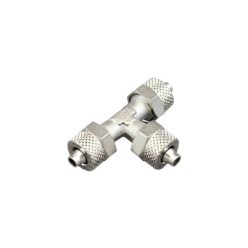


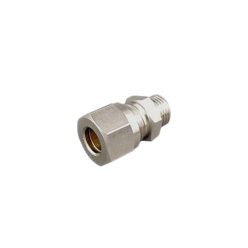
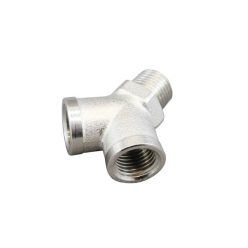
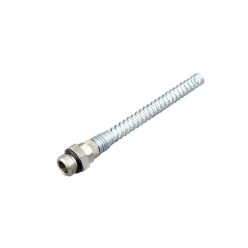
Net price: 7 €

Airride fittings – connectors for a leak-free system
Airride Fittings are the small but critical parts that connect lines, tanks, valves, gauges and accessories into one functioning system. In this category you will find mainly brass fittings for 6/4 mm air hoses and 10 mm hardlines, with 1/4" male or female threads. Available pieces include straight connectors, elbow fittings, T and Y splitters, blanking plugs and special items such as the Fitting for VIAIR manometer/sensor or the secure-spring 6 mm connector. These components form the backbone of any clean, reliable plumbing layout in your airride build.
Technical Basics
Airride fittings are usually made from brass, which offers good corrosion resistance, machinability and sealing performance. The “Brass Fitting for air-hose 6/4mm - 1/4" external” type combines a hose-gripping end for 6/4 mm line with a 1/4" threaded side. The angled “external - angle” versions allow changes of direction in tight spaces, while T-type fittings split airflow into multiple branches. Dedicated 10 mm hardline fittings support rigid metal line layouts, which are especially popular in show car installations for their clean, geometric appearance.
Thread type (NPT, BSPT, etc.) is indicated on each product page and should be matched to the tank, valves and other components in your system. The “Fitting 1/4" Type Y” is a Y-shaped splitter that can in some cases provide better flow and packaging than a standard T. The “Fitting for air-hose ? 6 mm - with secure spring” uses a spring retainer to clamp the hose more securely under vibration. The Fitting for VIAIR manometer/sensor is designed specifically to connect VIAIR gauges and senders with the correct thread and sealing geometry. Warning: forcing mismatched thread types together can damage threads and create hard-to-find leaks.
Selection Criteria
When selecting fittings, start by confirming the line diameter and material. For 6/4 mm plastic air lines, you will need fittings marked for 6/4 mm hose; for 10 mm hardlines, use compression-style fittings intended for rigid tube. Make sure the threaded side is 1/4" if your valves, tank ports and gauges use that size, which avoids unnecessary adapters. A Brass Fitting - Plug - 1/4" is useful to keep in reserve for temporarily sealing unused ports during testing or future expansion.
Plan ahead where elbow or T fittings are needed to keep line runs as short and stress-free as possible. Too many joints mean more potential leak points, so it is better to design the routing carefully and replace multiple short sections with longer, continuous pieces where you can. If you are installing dashboard or boot-mounted gauges, the dedicated “Fitting for VIAIR manometer/sensor” ensures that the gauges can be connected easily and sealed properly. Warning: cheap or poorly made fittings are a common source of small pressure losses that are hard to trace later.
Installation & Maintenance
When installing Airride fittings, pay close attention to sealing and line tension, as these two aspects decide whether the system will stay leak-free. Seal threaded joints using suitable thread sealant (PTFE tape or paste) according to the manufacturer’s recommendations. Cut 6/4 mm hose square and burr-free, push it fully home into the fitting and then pull back gently to let the internal collet grip properly. For hardlines, ensure the ends are clean and correctly flared or prepared so the compression nut can clamp the tube evenly.
As part of maintenance, periodically inspect fittings with a soapy water solution, especially after major changes or at the start of a new season. If bubbles appear, loosen and re-seat the connection, then reapply sealant if necessary and retighten to the proper torque. Check that lines are not pulling on fittings; movement and vibration over time can work joints loose if the plumbing is under tension. Warning: if you experience regular pressure loss, do not focus only on bags and valves – the smallest connectors can sometimes be the main source of air leaks.
FAQ
Which fitting size do I need for my airride lines?
Most airride systems use 6/4 mm plastic air lines or 10 mm hardlines. Choose fittings clearly marked for 6/4 mm or 10 mm to ensure the hose or tube is clamped correctly. Mixing sizes can cause leaks or allow the line to pull out under pressure.
What is the difference between a T and a Y fitting?
A T fitting splits airflow at a right angle, which works well in many layouts but can introduce a sharp turn. A Y fitting (such as “Fitting 1/4" Type Y”) offers a smoother branch angle that may improve flow and packaging in some spots. The choice depends on available space and how you want to route your lines.
Do I really need a special fitting for VIAIR gauges?
Using the dedicated VIAIR fitting ensures the gauge or sender sees the correct thread and sealing surface, reducing the risk of leaks. It is particularly useful when gauges are prominently mounted in the cabin or boot. Generic fittings can work but may require additional adapters and careful sealing.
What should I use to seal threaded airride fittings?
Threaded brass fittings are usually sealed with PTFE tape or liquid thread sealant, but always follow the product recommendations. Avoid getting sealant inside the bore where it can break loose and clog valves. Over-tightening can distort threads or crack components, so use firm but controlled torque.
How can I check if a fitting is leaking?
The simplest method is a soapy water test: spray or brush the solution onto suspect joints while the system is pressurised and watch for bubbles. If you see bubbling, rework the connection, inspect the hose end and replace the fitting if necessary. Systematic testing around the tank, valves and distribution points helps track down even small leaks.
