
The Airride Dehydrators and Water Traps category includes compact units such as the Water Trap 1/4" BLACK, designed to remove moisture and debris from the compressed air before it reaches valves and bags. Installed between the compressor and tank or between the tank and valve block, a quality dryer protects fittings and seals from corrosion and freezing. Adding a dedicated water trap significantly extends the service life and reliability of your complete airride system.
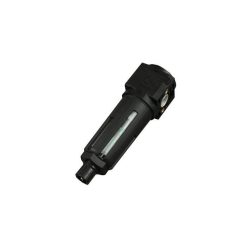
Airride dehydrators and water traps – dry air for reliable operation
Airride Dehydrators and Water Traps are responsible for removing condensation and contamination from the compressed air before it flows through your system. In this category you will find compact devices like the Water Trap 1/4" BLACK, which are easy to integrate even in tight installations. By reducing the amount of water and oil that reaches the air tank, valves and air bags, these dryers help prevent corrosion, internal rust flakes and winter freezing issues. A properly positioned water trap often costs far less than replacing a prematurely failed valve block or bag kit.
Technical Basics
Water traps typically work by slowing down the airflow inside a small chamber and forcing a change in direction, so heavier water droplets and particles fall out and collect in the bottom. The Water Trap 1/4" uses threaded ports to connect into the system, which makes it straightforward to insert between components such as the compressor and tank. A metal outer cover provides mechanical protection, helping the unit withstand typical under-boot or cabin-mounted airride environments.
Internally, seals and filter elements are designed to keep pressure loss modest while still capturing moisture and debris. The maximum working pressure and temperature rating must be suitable for automotive air suspension – most airride systems operate in the 8–12 bar region. With 1/4" threaded ports the trap can be combined easily with matching fittings and 6/4 mm air lines, so the entire setup can follow a consistent standard. Warning: avoid using unknown industrial dryers without proper data sheets, as not all of them are suitable for automotive vibration and pressure cycles.
Selection Criteria
When choosing an airride dryer, first decide where in the system it will be installed. If your compressor runs frequently and sits in a warm area, mounting the water trap right after the outlet helps remove moisture while the air is still hot. If valve protection is the main goal, placing the trap between the tank and the valve block is also effective – highly demanding builds sometimes use both positions for maximum protection.
Make sure the trap’s connections match your existing air lines and fittings, and consider how you will mount the unit physically (for example on a bracket or directly to a panel). For show car installations, the black housing and compact size make it easy to keep the boot layout tidy and clean. Warning: if the trap volume is very small compared to system usage, it will need more frequent draining, so plan according to how often you raise and lower your air suspension.
Installation & Maintenance
When installing Airride dehydrators and water traps, keep the unit vertical and ensure the pipework has a slight fall towards the collection bowl so water can settle at the bottom. Seal the 1/4" threaded ports with appropriate thread sealant (PTFE tape or paste) without over-tightening, to avoid cracking the body or blocking the port. Mount the trap securely on a bracket or panel rather than letting the hoses carry its weight, and leave enough clearance underneath so you can open the drain or remove the bowl.
For maintenance, inspect the bottom of the water trap regularly and drain any accumulated condensate and oil. Many units feature a manual drain that should only be opened once the system pressure has been reduced to a safe level. It is wise to carry out thorough checks in autumn and spring, when temperature swings are greatest and moisture problems are more common. Warning: running your airride system in freezing conditions without draining the trap and tank for a long time can lead to ice-blocked valves, cracked lines and erratic operation.
FAQ
Why do I need a dryer in my airride system?
Every compressor generates some condensation as it compresses air, and this moisture settles in tanks, lines and valves. Left unchecked it causes corrosion, sticking valves and winter freezing issues. A dedicated water trap reduces these risks and helps your system stay reliable over time.
Where is the best place to install a water trap?
The most common approach is to mount the water trap between the compressor outlet and the air tank, so moisture is removed early. Alternatively, it can sit between the tank and valve block if protecting the valves is your main priority. The key is easy access for draining and inspection.
How often should I drain my airride water trap?
The interval depends on how often you use your airride setup and local humidity. Daily-driven cars in damp climates may need weekly checks, while occasional use might only require monthly draining. In winter and during rainy seasons, more frequent inspections are recommended.
Does a water trap replace the tank’s drain valve?
No, a water trap does not fully replace a drain valve on the tank itself. Water still collects inside the tank over time and should be released through a dedicated drain. The most robust solution is to use both a dryer and a proper tank drain.
Can I use an industrial air filter as a dryer on my car?
Some industrial filters are technically suitable, but many are not designed for automotive vibration, dirt and temperature cycles. Always check pressure ratings, connection types and materials before using them on a vehicle. Choosing a dryer intended for air suspension use is usually the safest path.
