
The Airride Control Units category covers the electronics and switch panels that manage how your air suspension behaves. You will find simple rocker switch controllers, pressure-based control modules, smartphone (BLE) interfaces and compact valve boxes with built-in pressure switch. Choosing the right airride controller gives you faster response, more accurate ride height settings and easier daily use, whether you are running a full aftermarket kit or fine-tuning an OEM pneumatic system.
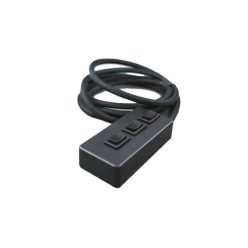
Net price: 49 €
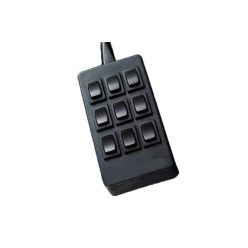
Net price: 79 €
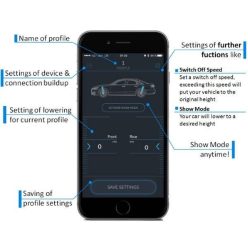
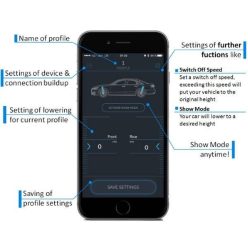
Net price: 1 804 €
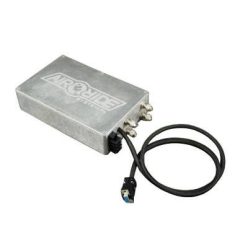
Net price: 322 €
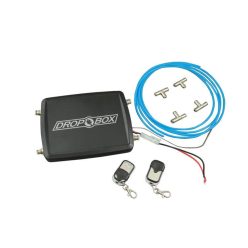
Net price: 319 €
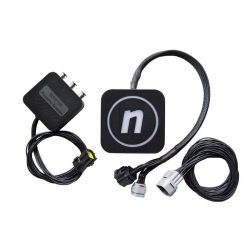
Net price: 780 €
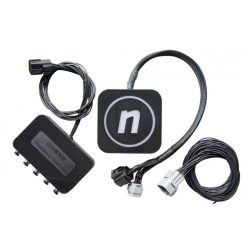
Net price: 865 €
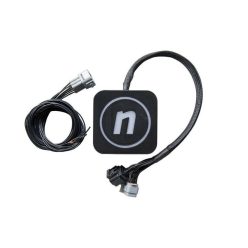
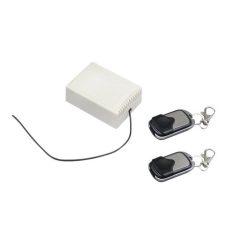
Airride control units – switch panels, ECUs and smart control
Airride Control Units bring together everything you need to command your air suspension: from basic manual switch boxes to advanced, sensor-driven electronic controllers. Simple rocker switch panels provide direct, intuitive up/down control for front/rear or multi-circuit kits, while compact boxes that integrate valves and a pressure switch can shorten install time and reduce leak points. Modern Bluetooth (BLE) and smartphone control modules let you adjust height from your phone, store presets and even interface with certain OEM pneumatic suspensions. With a well-matched controller you can swap between show stance and daily drive height in seconds.
Technical Basics
An airride controller typically consists of a pneumatic section with valves and a pressure switch, plus an electrical section with switches, relays and control electronics. Traditional switch-box setups use rocker switches to trigger individual fill and dump valves for each circuit, commonly in a front/rear or four-corner layout. More advanced pressure-based controllers read multiple pressure sensors (for example front/rear or VIP four-wheel kits) and automatically adjust air flow to hit target values. The system normally runs from a 12 V supply, with solenoids driven by relays or solid-state outputs sized for the valve coils and any linked compressor relays.
BLE (Bluetooth Low Energy) smartphone controllers combine a dedicated control unit with an app. Depending on the design, the controller can talk to an aftermarket valve block via analogue or CAN-style signals, or, in the case of some OEM-specific modules, manipulate the signals seen by factory air suspension ECUs. Pressure-based modules can monitor separate axle or even individual corner pressures, helping you keep the car level under asymmetric loads. It is important that the control unit matches your vehicle’s electrical system in terms of voltage, current draw and environmental protection (for example IP rating) for the intended mounting location.
Selection Criteria
When selecting an airride control unit, start by deciding how much automation you really want. If you prefer a hands-on, mechanical feel and enjoy fine-tuning manually, a multi-circuit rocker panel is ideal – it is simple, robust and easy to read at a glance. If you want to hit repeatable pressures or use saved ride-height profiles, look at pressure-sensor-based ECUs with built-in logic. For vehicles with factory pneumatic suspension, dedicated drop modules adjust the OEM signals so you can achieve a lower stance while keeping factory comfort and safety functions.
Next, think about how many circuits your management system must control: a basic front/rear setup is easier to manage than a full four-corner VIP system, but also offers less fine control. More circuits and sensors mean more plumbing and more careful calibration, so factor that into your installation plans. Decide whether you actually need BLE and smartphone control – it adds convenience and cool factor, but the system should always remain operable from a physical switch. Warning: do not choose a controller purely on price, as a flaky unit can make an otherwise excellent airride installation frustrating or even unsafe.
Installation & Maintenance
During installation of Airride control units, correct wiring, fusing and a dry, protected mounting location are critical. Mount the switch panel and controller so they are easy to reach while driving but do not obstruct OE instruments or airbags. Take power for the
For maintenance, periodically inspect connections, screw terminals, fuses and relays, particularly if your system sees frequent use or harsh roads. With BLE and smartphone modules, keep an eye on firmware updates and calibration data, as these can affect stored profiles and behaviour. If the system starts reacting slowly, overshooting heights or failing to hold a preset, check power supply quality as well as the pressure sensors and valve operation. Warning: if you notice erratic behaviour, do not ignore it – a misbehaving controller can compromise suspension safety, so diagnose and fix the issue before regular use.
FAQ
What is the difference between a switch box and an electronic airride controller?
A simple switch box triggers valves directly, so you manually decide how long to fill or dump each circuit. An electronic controller with pressure sensors aims for specific target values and regulates valves automatically. The manual option is cheaper and more basic, while the ECU-style controller offers more precision and convenience.
Do I need a dedicated controller if I already have a basic valve block?
You can operate a basic valve block with simple switches, but a dedicated controller adds features such as pressure monitoring, presets and protective limits. If you adjust height frequently or share the car with other drivers, a structured management unit usually makes the system easier and safer to use. It can also simplify wiring and diagnostics.
What can a BLE or smartphone airride controller do?
A smartphone controller communicates with the control unit via Bluetooth, allowing you to set heights, store presets and monitor pressures from an app. This makes fine-tuning easier and supports show functions such as one-touch drop or rise. The system should still offer physical switch control as a backup for times when a phone is not available.
Can these controllers work with OEM air suspension systems?
Some OEM drop modules are designed specifically to interface with factory air suspensions, modifying sensor or command signals so the car sits lower than stock. They let you keep OE comfort and safety while achieving a more aggressive stance. Always check the compatibility list for your exact make and model before purchasing.
Will my settings be lost if I disconnect the battery?
Most modern control units are designed to retain memory through short-term power loss, such as battery changes. After a longer disconnect period you may need to check or recalibrate stored pressures and presets. The user manual for your controller will usually explain how data is stored and how to restore defaults if needed.
