
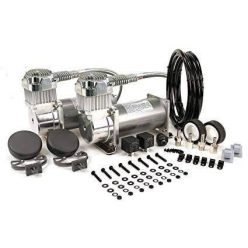
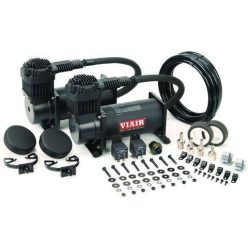
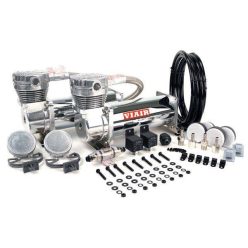
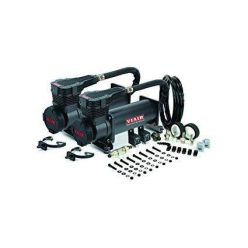
The Airride Compressors category contains the VIAIR-based single units and dual packs that supply pressure for your airride suspension tank. These 12 V piston compressors are designed for automotive use, delivering reliable performance under vibration and heat. By matching the right compressor setup to your tank size and driving style, you get faster refills, less heat build-up and a longer service life for your airride system.
Net price: 695 €
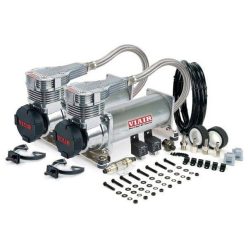
Net price: 622 €
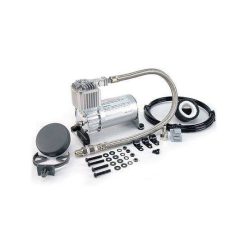
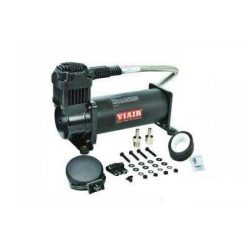
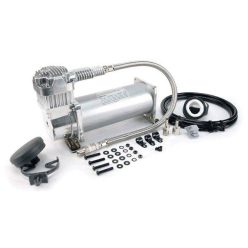
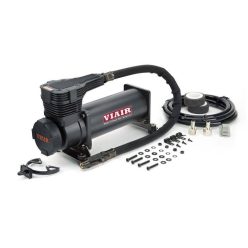
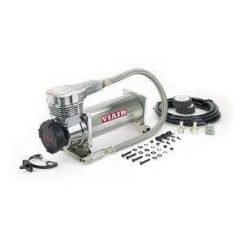
Airride compressors for suspension – stable pressure and quick refills
Airride Compressors are the heart of any airride system, supplying the tank with the air volume and pressure needed for consistent ride height control. This category includes VIAIR-based single units and dual pack kits tailored to street, show and mixed-use applications. A correctly sized airride compressor not only fills the tank faster, it also runs cooler and enjoys a longer service life. The combination of compressor output, tank volume and proper electrical wiring ultimately defines how responsive, quiet and dependable your air suspension will feel.
Technical Basics
Airride-specific compressors are usually 12 V, oil-free piston units designed for permanent installation in a vehicle. Key parameters include free air delivery, maximum working pressure and duty cycle, which describes how long the compressor may run within a given time window. Larger tanks or more intensive use often call for higher-output units or multiple compressors in parallel. Many airride compressors are supplied with stainless steel leader hoses and integrated check valves, so stored pressure in the tank does not back-feed into the compressor head.
Heat management is critical: powerful compressors generate substantial heat during filling, so they should be mounted in well-ventilated locations away from exhausts and other heat sources. Rubber isolation mounts reduce transmitted vibration and structure-borne noise into the cabin. An efficient air filter on the intake side protects internal components from dust and moisture, making regular cleaning or replacement an important part of maintenance. Warning: if a compressor runs very frequently or for long periods, it usually indicates leaks or incorrect system sizing.
Selection Criteria
When choosing a compressor, start with vehicle weight, intended tank volume and usage profile – daily driving, show use, or mixed. For larger tanks and frequent height changes, a dual pack setup offers faster fill times and lower individual load on each unit. If low noise is a priority, consider a slightly lower output compressor combined with careful mounting and sound isolation. For tuned projects, it makes sense to plan ahead for future upgrades such as a larger tank or different air management controller, and select a compressor configuration that can handle that growth.
Always check the compressor’s supported maximum tank pressure and ensure it matches the valve block, lines and fittings in your system. Compare the stated duty cycle with your expected usage – frequent adjustment demands a higher duty compressor to avoid overheating. An undersized or poorly cooled compressor will quickly reach its limits, leading to long fill times, increased noise and reduced reliability. Warning: running above the rated pressure or duty cycle does not improve performance; it only accelerates wear and can damage other components.
Installation & Maintenance
Correct installation is essential for Airride Compressors to perform and last. Always mount them on a solid, flat surface using vibration isolation mounts, and ensure there is sufficient space around the unit for cooling airflow. For the electrical wiring, use adequately sized power and ground cables, a dedicated relay and the fuse value recommended by the manufacturer, placed as close to the battery as practical. Route the intake filter to a clean, protected area of the cabin or boot so it does not ingest standing water or heavy road spray.
For maintenance, periodically check all mounting hardware, hose connections and electrical plugs for loosening or damage. If compressor noise changes, vibration increases or fill times grow noticeably longer, inspect the system for air leaks and clean or replace the intake filter. A compressor that cycles very often is being worked hard and may need support from a larger tank, a second unit or leak repairs. Warning: do not block airflow or completely box in the compressor just to reduce noise, as inadequate cooling can cause internal damage.
FAQ
What size compressor do I need for my airride system?
The required compressor size depends mainly on tank volume, vehicle weight and how often you adjust ride height. A single mid-range compressor is usually fine for typical street cars with moderate tank sizes. Heavier vehicles, large tanks or very dynamic setups often benefit from a higher-output or dual-compressor configuration.
When should I consider a dual pack compressor kit?
A dual pack is ideal if you run a large tank, adjust height frequently or want very short refill times between movements. Two compressors share the workload, so each runs cooler and within a safer duty cycle range. As a side benefit, if one compressor fails, the remaining unit can still keep the system operational in a reduced capacity.
How loud is an airride compressor in daily use?
All compressors produce some noise and vibration, but proper mounting and location can keep this to an acceptable level. Using rubber isolation mounts, solid brackets and placing the unit away from the cabin all help reduce perceived noise. If a compressor becomes significantly louder over time, it may indicate internal wear or air leaks causing it to work harder.
Can I use my airride compressor to inflate tyres or tools?
Occasional tyre inflation is generally fine for most airride compressors, provided you respect the duty cycle and let the unit cool as needed. These compressors are not designed for continuous air tool use, which demands far more flow and longer run times. For regular workshop tasks, a dedicated shop compressor is the safer and more efficient choice.
What does it mean if my compressor cycles very often?
Frequent cycling usually points to air leaks in the system – for example at fittings, valves or the tank – or to a tank that is small for the way you use the suspension. It may also mean the compressor is undersized and has to work too hard to keep up. Addressing leaks and checking system sizing will reduce cycling, noise and component wear.
