
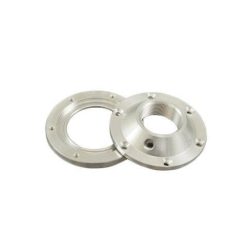
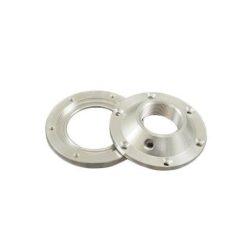
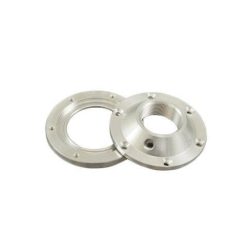
The Airride Bag Parts category includes the mounting hardware and accessories that connect your air springs to the suspension: bottom and top brackets, seats and specialised thread sealants. These components keep Rubena-style bags and coilover threads aligned, sealed and secure under load. Choosing the right bag brackets directly affects available stroke, ride-height range and long-term reliability of your airride system.

Net price: 21 €
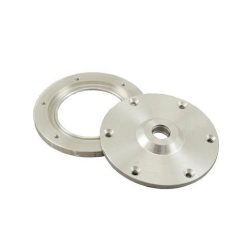

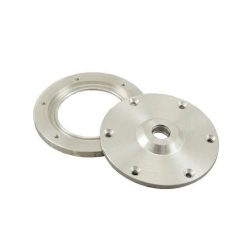

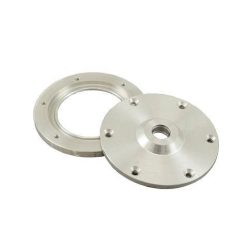
Airride bag parts – brackets, seats and hardware for reliable air springs
Airride Bag Parts are the critical pieces that tie your air springs to the chassis and dampers in a safe, leak-free way. This category covers lower and upper bag brackets, dedicated seats for specific Rubena bag diameters, and the sealing compounds needed for threaded connections. These small but important items decide how securely the bag is supported and how well the system holds pressure over time. When the mechanical interface and sealing are right, the air suspension can work smoothly, predictably and for many seasons without constant adjustments.
Technical Basics
Air spring top and bottom brackets are usually precision-machined steel or aluminium components matched to the outside diameter of the Rubena bag and the damper shaft size. Bottom seats often screw onto a threaded body (for example 52x1.5 or other specific threads), providing guidance and secure load transfer. Upper brackets come with defined bore sizes (such as 12.4 mm, 15 mm, 20 mm, 22 mm) to match OE or aftermarket damper shafts and mounting hardware. Bracket strength, material thickness and geometry must suit the vehicle weight and intended use, especially on heavier cars or aggressive setups.
Threaded joints, locknuts and adjusters are protected from loosening and leaks by dedicated threadlockers and sealants. These products are formulated for automotive and suspension use, so they resist oil, water and temperature cycling typical in the underbody area. The right combination of bag, seat and bracket allows the spring to compress and extend across the full designed stroke without side loading or edge pinching. Warning: improvised or underspecified brackets can crack, deform or slip, creating serious safety risks.
Selection Criteria
When choosing Airride bag parts, start with the bag diameter and installed length, because brackets and seats are designed around these dimensions. Rubena-type bags require matching seats and plates so that the bead and sealing surfaces are fully supported. The upper bracket bore must suit the damper shaft or fixing bolt, otherwise unwanted play will appear during suspension travel. Usage profile – daily driving, show use or mixed – will influence how much safety margin you build into bracket thickness and material choice.
If you are building a custom coilover-based airride setup, look for brackets that allow sufficient stroke while avoiding interference with tyres, bodywork and control arms. Consider damper shaft height, bump stop position and desired maximum and minimum ride heights when choosing bag seats. For thread sealants, always check their temperature and pressure rating as well as whether they are designed for removable or permanent joints. Warning: guessing thread sizes or reworking parts to “almost fit” usually leads to leaks, misalignment and premature component damage.
Installation & Maintenance
During installation of bag brackets, accurate fitment and correct torque are essential. Clean all mounting faces from rust, paint and dirt so the brackets sit flat against the chassis or damper hardware. Apply the chosen thread sealant according to the manufacturer’s instructions, making sure threads are fully coated but not flooded. Use a torque wrench where possible and avoid overtightening, which can distort brackets or crush the bead of the air spring.
For maintenance, periodically inspect all mounting bolts, nuts and bracket surfaces, especially on vehicles driven on poor roads or under heavy loads. Unusual noises, tilted bag positions or inconsistent height control can indicate that a bracket has shifted or loosened. If you suspect air leaks, a simple soapy water test around joints and threads will quickly reveal bubbling points. Warning: any cracked, bent or heavily corroded bag seat should be replaced immediately – repairing or bending back stressed parts is not safe.
FAQ
What are airride bag parts used for?
Airride bag parts connect the air spring securely to the suspension and chassis, while keeping all joints sealed. This includes top and bottom brackets, seats and thread sealants. Without correctly matched parts, the air spring cannot carry load safely or maintain pressure over time.
Are these bag parts only for Rubena air springs?
Most brackets and seats in this category are designed around specific Rubena-style bag dimensions, which guarantees proper fitment. They may also work with other brands using the same diameters and bead profiles, but dimensions must always be checked. If there is any mismatch, custom solutions or different parts will be required.
Do I really need thread sealant on my airride hardware?
Using a suitable thread sealant is highly recommended on any air-carrying or high-vibration threaded joint. It helps prevent both micro-movement loosening and slow leaks at fine threads. Skipping sealant often leads to pressure loss and the need for frequent retightening.
How often should I check my air spring brackets?
For normal road use a full check of all bag brackets once a year is usually sufficient. Cars used on rough roads, track or with very low ride heights may need more frequent inspections. Any sign of unusual noises, shifting or uneven ride height is a cue to inspect the hardware immediately.
Can I fabricate my own brackets instead of buying ready-made ones?
Custom-made brackets can work if they are properly engineered, built from suitable materials and tested. However, poorly designed or thin brackets are prone to cracking or bending under load. Using proven, purpose-designed airride bag parts is generally the safer and faster option for most projects.
