
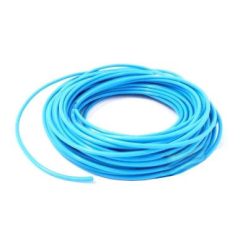
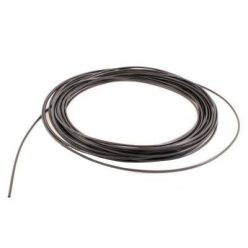
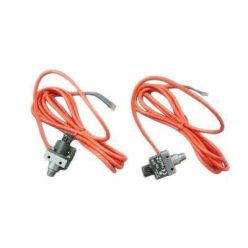
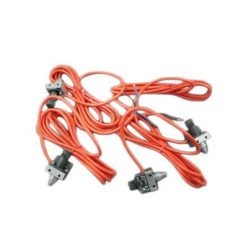
The Airride Air Lines category includes the hoses and auto-levelling components that carry compressed air through your system. Here you will find 6/4 mm polyurethane and TEKALAN air lines that connect the tank, valve block and air bags, as well as auto-levelling modules for height control. Using the correct diameter and material air line is essential for fast response, accurate ride height and long-term, leak-free operation of your airride setup.
Airride air lines – reliable hoses for clean airflow
Airride Air Lines are responsible for moving compressed air between the compressor, tank, valve block and air springs. In this category you will find 6/4 mm air lines made from polyurethane and TEKALAN, each suited to different mounting locations and stress levels. Flexible polyurethane hose is ideal where the line must follow body contours and suspension movement, while the stiffer TEKALAN tube works well on long, straight runs. With correctly chosen hoses, your air suspension reacts faster, holds pressure better and remains easier to troubleshoot over time.
Technical Basics
The material and size of an air line directly affect pressure loss, response time and durability. A 6/4 mm line has a 6 mm outer and 4 mm inner diameter, a common choice for airride systems. Polyurethane hose is more flexible, tolerates repeated bending and is easier to route around the chassis and moving suspension parts, making it ideal near wheels and axles. TEKALAN (typically PA-based) tube is more rigid and shape-stable, which helps maintain tidy, straight runs in protected areas.
Each hose type has a rated working pressure and temperature range that must be respected to maintain safety margins. Most systems use push-in or threaded fittings, so it is wise to standardise on one connection type across your build. Quality air lines feature smooth inner surfaces for reduced flow resistance and less chance of moisture and debris build-up. Warning: do not substitute household water hose or generic tubing in an airride system – they are not designed for automotive pressure cycles or underbody conditions.
Selection Criteria
When choosing air lines, start with system pressure, usage intensity and the routing lengths involved. Higher pressure and more frequent height changes demand hoses with good pressure and temperature resistance. Short, protected runs can use stiffer TEKALAN tube effectively, while flexible polyurethane is better wherever the suspension moves relative to the body. If you plan future upgrades, such as extra circuits or show functions, it is smart to leave some slack and plan accessible routing for later additions.
Consider where each hose will run: inside the cabin, along the sill, under the chassis or near the wheel wells. Underbody sections need extra protection from stone impacts and abrasion – plastic conduit, heat shields or elevated routing all help. Hose colour is not only cosmetic: clear or light-coloured lines make it easier to spot moisture, while black air line looks cleaner in show installs. Warning: tight bends below the minimum radius can kink the tube and create restrictions or cracks that eventually leak.
Installation & Maintenance
During installation of Airride air lines, avoid both excessive tension and excessive slack. Over-tight hoses may pull out of fittings as the suspension moves, while overly loose runs can snag on moving parts. Always cut the ends square and burr-free, ideally with a dedicated hose cutter, before inserting them into push-in fittings. With push-in connections, push the air line firmly to the stop and then pull back slightly so the internal collet can bite correctly.
For maintenance, periodically inspect air lines along the underbody, around wheels and at bulkhead pass-throughs. Look for discolouration, cracks, flat spots or chafing; any suspect section is cheap to replace compared to the time spent chasing random leaks. To find leaks, spray soapy water on fittings and hose segments and watch for bubbles while the system is pressurised. Warning: avoid patching or splicing damaged hose with improvised repairs – the reliable fix is installing a fresh, correctly routed section.
FAQ
What size air line is commonly used in airride systems?
Most builds use 6/4 mm air line as a good balance between fast response and easy routing. Smaller lines can slow the system down, while larger ones may be harder to package neatly. Always consider the valve block and fitting sizes when deciding the final diameter.
What is the difference between polyurethane and TEKALAN hose?
Polyurethane hose is more flexible and better suited to areas with movement, such as near suspension arms and wheels. TEKALAN (PA) tube is stiffer and holds straighter runs, making it a good choice for longer, protected sections. Both are suitable when used within their rated pressure and temperature ranges.
How should I cut air lines for installation?
Use a proper hose cutter or sharp blade to make a clean, square cut without crushing the tube. Avoid side cutters or rough tools that leave angled or deformed ends, as they can cause leaks in push-in fittings. After cutting, check for burrs and trim lightly if needed.
Do air lines need regular replacement?
Quality air lines can last many years if installed correctly and protected from heat and abrasion. However, any sections exposed to impacts, kinking or rubbing should be replaced as soon as damage is noticed. Routine visual checks help you prevent sudden failures.
Can I extend a line if it turns out too short?
Inline joiners exist, but each extra connection is another potential leak point. Where possible, it is better to run a new, continuous length of hose, especially in critical or hard-to-reach areas. If you must use a joiner, choose a quality fitting that matches the hose size exactly.
