
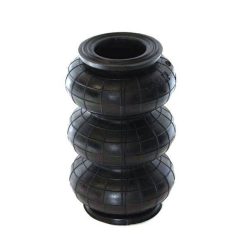
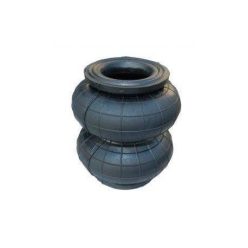
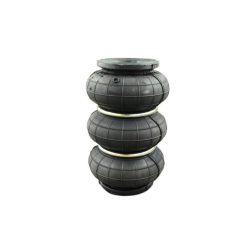
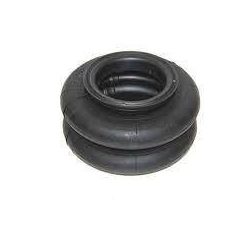
The Airride Air Bags category contains the air springs that actually carry the load in your air suspension. Here you will find Rubena, Dunlop and Firestone style bags in different diameters and convolutions to suit various vehicles and ride-height targets. Options include 130–170 mm and 4.5" sizes, in 2- and 3-convolution designs, with or without metal rings for easier clamping to seats and brackets. The right air bag choice has a direct impact on comfort, stroke and long-term reliability.


Net price: 52 €


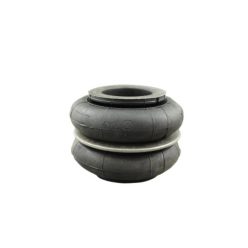
Net price: 44 €
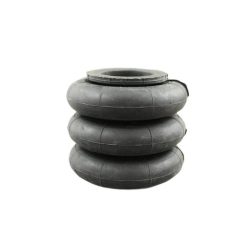

Net price: 51 €
Airride air bags – Rubena, Dunlop and Firestone style springs
Airride Air Bags are the core components that determine how your air suspension carries weight and absorbs bumps. This category offers various Rubena, Dunlop and Firestone style air springs in multiple diameters and 2- or 3-convolution layouts so you can match your goals for stance and usability. Typical sizes include 130, 150 and 170 mm, as well as 4.5" bags that suit tighter wheel wells or specific bracket kits. By choosing the correct bag, you directly influence ride-height range, comfort level and how robust your system will be in daily use.
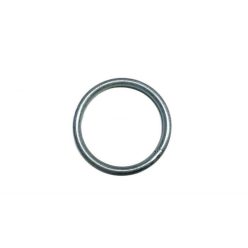
Many models are available with factory or optional metal rings that clamp the bead area and create a secure interface to lower and upper seats or brackets. This is especially important when running higher pressures or frequently adjusting height, because it prevents the bead from slipping and keeps sealing surfaces properly compressed. Internally, the bags use layered rubber and reinforcement plies designed to withstand cyclic loading, temperature changes and road contamination. Warning: underspecified or poor-quality air bags in an otherwise good system can quickly lead to leaks, uneven ride height and even suspension damage.
Technical Basics
Air bags are built from vulcanised rubber reinforced with textile plies that share the load and maintain the designed shape under pressure. Two-convolution (/2) and three-convolution (/3) versions behave differently: more convolutions usually give more stroke and a softer progression, while fewer convolutions can feel firmer and more direct. Diameters such as 130, 150, 170 mm or 4.5" require matching seats and brackets so the bead is fully supported and not pinched. Internal construction is tuned so that the bag folds and rolls in a controlled way rather than kinking sharply at one point.
Each bag type has a rated working pressure and load capacity that must be respected when designing a system. Tank pressure, vehicle weight and desired ride height all play into the operating pressure range of the springs. Metal ring versions clamp evenly around the bead, helping to maintain sealing and prevent creep over time under vibration. Warning: running bags significantly above their rated pressure or using them as structural links outside of their intended role can damage the bag structure and create safety issues.
Selection Criteria
The starting point for choosing Airride air bags is vehicle mass, intended use (daily, show, mixed) and the ride-height window you want to cover. For extreme drop, you need a bag that can work at low installed height without bottoming out too early or rubbing on surrounding components. Larger-diameter bags offer higher load capacity for a given pressure but need more space in the arch and around suspension arms. Choosing between 2- and 3-convolution layouts is a balance between comfort, available stroke and packaging constraints.
Compatibility with your chosen bracket kit is just as important as size: bead diameter, clamping surfaces and the presence of a metal ring all dictate which seats and mounts will work. If you already have brackets, look for bags explicitly matched to them instead of improvising. Show builds may favour visually striking, larger bags, while daily-driven cars may benefit from more compact, easily packaged air springs. Warning: if you are unsure about dimensions, consult a specialist before ordering rather than trying to modify parts afterwards.
Installation & Maintenance
Correct installation of air bags requires that they are loaded mainly in the vertical direction without twisting or side loading. Make sure mounting surfaces are clean and free from burrs so the bead and any metal ring can clamp without damaging the rubber. Tighten seat and bracket fasteners to the manufacturer’s torque values, preferably using a torque wrench, and check that the bag does not contact sharp edges throughout its full travel. Always route airlines into the bag in a way that avoids kinking or chafing at the entry point.
For ongoing maintenance, periodically clean the surface of each air bag so that mud and road salt do not act as abrasives over time. Check for leaks around beads, fittings and folds using a simple soapy water test to spot bubbles. If you notice cracks, bulges or abnormal deformation in the rubber, replacement should not be delayed. Warning: continuing to use a visibly damaged air spring is unsafe and may lead to sudden failure under load.
FAQ
What is the difference between 2-convolution and 3-convolution air bags?
Two-convolution air bags tend to feel firmer and more direct, while three-convolution designs usually offer more stroke and a smoother progression. Both can work for airride, but the best choice depends on your comfort expectations and how low you want the car to sit. More convolutions generally give a wider usable height range.
How do I choose the correct diameter air bag?
Bag diameter depends on vehicle weight, available space and your target ride height range. Smaller diameters leave more room in the arch and around arms but need higher pressure for the same load, while larger bags carry more load at lower pressure. Measuring your suspension and wheel setup before ordering is strongly recommended.
Do I need a metal ring with my air bags?
A metal ring is not mandatory in every design, but it greatly improves bead clamping and long-term sealing. It is especially recommended when running higher pressures or when the seat design relies on a clamped bead. If your brackets are designed for ringed bags, you must use the correct ringed version for safe operation.
Can I use industrial air springs for my car?
Some industrial air springs share dimensions with automotive bags, but you must verify bead shape, diameter and mounting patterns carefully. Mismatched seats and beads can lead to poor sealing and unpredictable behaviour. Purpose-designed automotive airride bags are usually the safer and easier route.
How long do airride air bags typically last?
With proper installation and maintenance, quality air bags can last many years and tens of thousands of kilometres. Factors such as road conditions, how often you change height and the pressures you run will affect lifespan. Regular inspections help you spot ageing before it becomes a failure.
