
In Aeromotive Universal Fuel Pumps, you’ll find performance-focused fuel pump solutions selected by layout, fittings and target flow rather than a specific vehicle. If you want to compare universal pumps across multiple brands, open Fuel Pumps - Universal. Use filters for stock and price, sort by popularity, then confirm the installation type and port/thread details on each product page before buying. Choose the Aeromotive pump that matches your system and place your order.
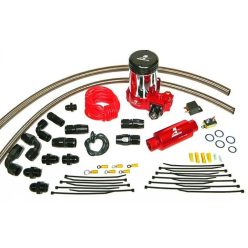
Net price: 2 076 €
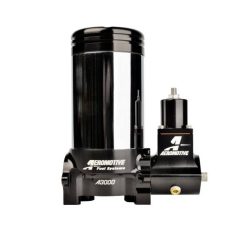
Net price: 794 €
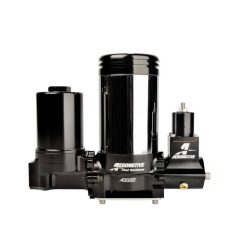
Net price: 1 068 €
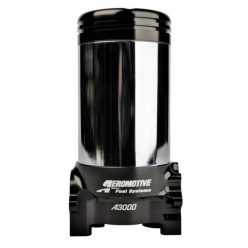
Net price: 578 €
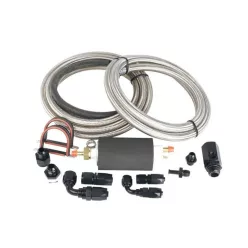
Net price: 807 €
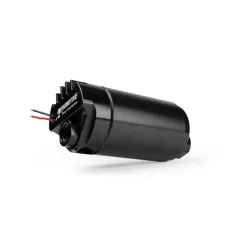
Net price: 1 877 €
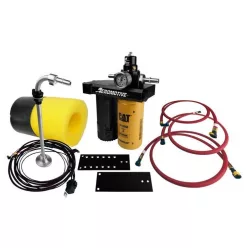
Net price: 2 558 €
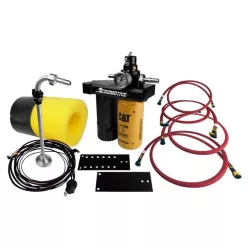
Net price: 2 632 €
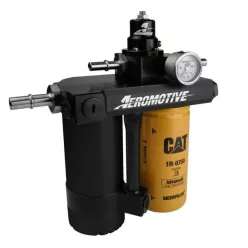
Net price: 1 513 €
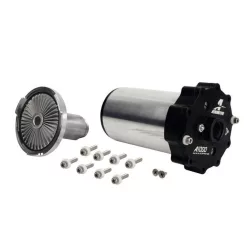
Net price: 1 146 €
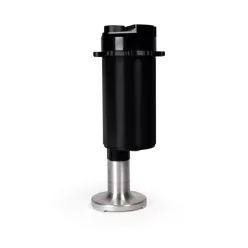
Net price: 1 933 €
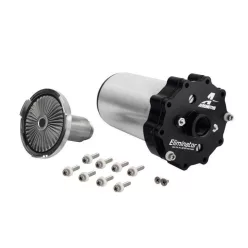
Net price: 1 414 €
Aeromotive Universal Fuel Pumps – performance-oriented pumps for flexible fuel system builds
Aeromotive Universal Fuel Pumps are ideal when you’re selecting by required flow, target fuel pressure and packaging rather than OE fitment. Typical use-cases include upgraded EFI setups, track cars and forced-induction builds where the factory pump and wiring no longer provide enough headroom.
This range can include external in-line pumps, in-tank options, and complete kits or modules that simplify installation. Some models may use brushless designs, which—when paired with the correct control strategy—can offer smoother speed management as pressure and demand change.
Technical Basics
The most important practical point is flow at pressure: headline flow figures (e.g., LPH) depend on the test pressure, and flow generally drops as pressure rises. For EFI applications, make sure the pump supports your expected operating pressure range with enough margin for load, heat and voltage variation.
Connections and restrictions matter as much as the pump itself: ports may be specified as AN sizes such as AN-6, AN-8 or AN-10, or other thread/port standards depending on the exact model. Build in proper pre-filtration on the inlet side and fine filtration downstream to protect both the pump and injectors.
System design choices are critical: return-style vs returnless fuel supply, the type of regulator used, and whether you need a bypass regulator for stable control at higher flow. A pump that is “big enough” can still underperform if lines are undersized, filters are too restrictive, or the regulator strategy is mismatched.
Note: poor sizing or excessive restriction can cause pressure drop under load, which may lead to lean running and engine risk, so treat the fuel system as one complete package.
Selection Criteria
Start from your goal and duty cycle: street replacement, track use, or drag-style sustained demand, then choose the appropriate pump type and packaging. External in-line pumps are easy to access and mount, while in-tank solutions often benefit from in-tank cooling and can be quieter, but may be more installation-specific.
Fuel choice changes requirements: petrol, E85 and other ethanol blends can increase flow demand and affect component compatibility. Only select pumps that state the relevant fuel compatibility in the product notes, and plan extra headroom if you’re running Flex Fuel or high boost.
Don’t ignore electrical supply: stable 12 V at the pump (relay, fuse, correct wire gauge and grounds) directly influences pump output. If a pump supports variable control, confirm what controller or control approach is required and whether your build can support it.
Finally, review the full plumbing plan: line diameter, number of bends, filter choices and the regulator layout. In many builds, optimising fittings and line routing delivers reliability gains comparable to choosing a larger pump.
Installation & Maintenance
For external pumps, mount close to the tank and preferably below fuel level to reduce inlet strain and minimise cavitation risk. Use a solid bracket with vibration control, and route lines so they don’t kink, chafe or sit too close to heat sources.
Install appropriate pre-filter protection, then pressure-test and inspect every joint: O-rings, fittings, clamps and connectors. On first start, verify fuel pressure and confirm it remains stable under load where possible.
When issues appear—pressure fluctuation, hesitation under load, or unusual pump noise—check filters, electrical contacts and grounds first. Many “pump problems” are actually restriction, wiring or regulator setup issues.
Safety note: fuel system work is fire-risk; depressurise the system, ventilate the area and avoid sparks.
FAQ
What does “universal” mean for Aeromotive fuel pumps?
It means selection is based on performance, packaging and connections rather than a specific vehicle fitment. You must match ports/threads, line sizes and the regulator strategy to your build. Always rely on the product page specifications for the final check.
Should I choose an in-line or an in-tank Aeromotive pump?
In-line pumps are easy to mount and service but depend heavily on good inlet supply and plumbing. In-tank pumps can run cooler and quieter, but installation may be more constrained by the tank module/hanger. Choose based on space, serviceability and your system layout.
How do I know the pump is sufficient for EFI?
Confirm flow at your expected operating pressure, not just a headline rating. Plan margin for voltage drop, heat and fuel type, especially with ethanol blends. A well-matched regulator and low-restriction plumbing are part of the answer.
Which fittings should I verify before ordering?
Check the pump’s port specification first, then your planned AN line size (e.g., AN-6 or AN-8) and the ports on filters and regulators. If standards don’t match, you’ll need adapters, which adds complexity and potential leak points. Use the product page data to confirm every interface.
Why does wiring matter so much on high-demand fuel pumps?
Voltage drop reduces pump output and can trigger pressure drop under load. A relay, correct fusing, proper wire gauge and solid grounds help maintain stable 12 V supply. This improves consistency and reduces risk during sustained high-load operation.
Select the Aeromotive pump and supporting parts that match your setup, then complete your order.
