
Acura performance intake systems and airboxes are model-specific induction packages that shape pipe routing, filter position and airbox layout around the engine bay. They suit builds that need accurate fitment, sensor-friendly routing and tidy packaging.
On this Acura page you will typically find AEM, SIMOTA and PRORACING options, so start with model year, engine code, body style and the original sensor locations before comparing finishes or filter styles. Verify exact dimensions and specifications on the product card; in-stock items dispatch fast within the EU.
Use filters for brand and compatibility, then open the product card for exact fitment notes. During installation, stress-free alignment and a dry joint surface help reduce false-air issues and later clamp readjustment.
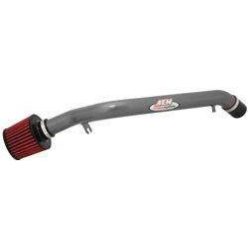
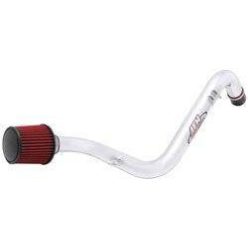
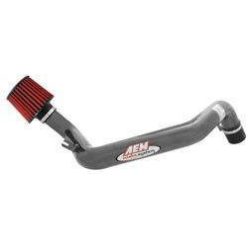
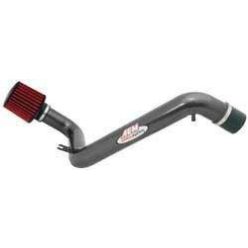
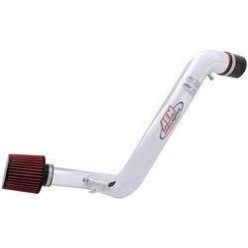
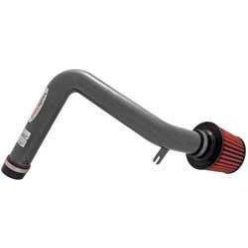
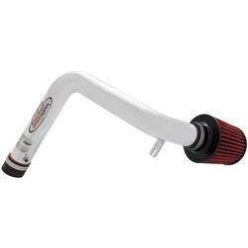
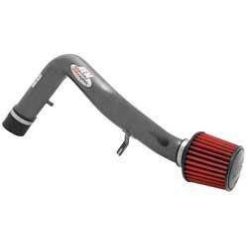
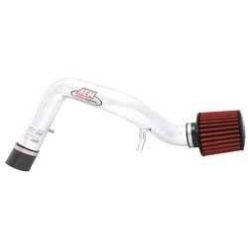
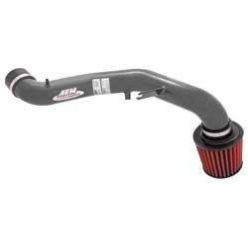
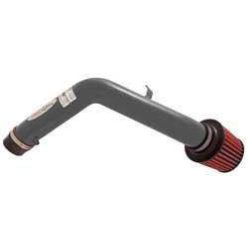
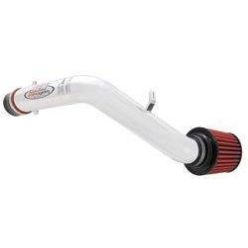
Acura Performance Intake Systems & Airboxes - Engine-Bay Specific Induction Packages
For an Acura build, an intake package or airbox kit works best when vehicle-specific fitment, sensor position and engine-bay heat exposure are considered together. The right choice is not only about pipe size, but also about routing, filter placement and how the assembly copes with engine movement over time.
Technical background and system integration
The balance between pipe routing and airbox layout can influence how stable the airflow path remains between the filter and throttle body. Across AEM, SIMOTA and PRORACING options, it is worth checking bends, bracket design, coupler layout and whether the original sensors and breather connections are properly supported.
Because the intake side sits in a vibrating, heat-cycling environment, thermal management matters alongside outright compatibility. A sensible filter position, a well-placed heat shield or a more enclosed airbox can help the system stay more consistent in road use as well as harder driving.
- Material: You may see stainless, coated metal or composite elements depending on the kit and the intended packaging style.
- Joints: Silicone connectors, clamp design and rolled pipe ends all affect how neatly the system can be assembled.
- Sensor ports: MAF and other factory sensor provisions need the correct location, sealing detail and hardware.
- Shielding: On open-filter layouts, the way the filter is separated from engine-bay heat is a key part of the overall design.
How to choose the right one
Quick selection guide: start with the exact Acura model, year, engine code and whether the original intake path includes sensors, resonator sections or breather take-offs. That will tell you whether a full intake kit or a more enclosed airbox-style solution better suits your installation environment.
When narrowing the list, engine code and model year should come first, followed by gearbox layout, left- or right-hand-drive packaging where relevant, and whether the car is used mainly on the road, for occasional track work or mixed-duty driving. It also helps to compare heat-shield provision, sensor retention and how much of the original hardware is reused.
Because this Acura page does not split into smaller subcategories, the product card becomes the main decision point for checking part number, included hardware, sensor accommodation and fitment notes. Using the brand and availability filters can also save time when more than one layout exists for the same platform.
Installation and failure-prevention tips
Dry test-fit: loosely assemble the full system before final tightening so you can check bend orientation, clamp access and sensor connector reach. Degrease using a manufacturer-recommended cleaner, then allow to dry completely before applying load/boost.
Common issue: the pipe is left under slight preload or the sensor housing ends up clocked incorrectly, which can show up as unstable running, unusual intake noise or an occasional fault code; this is best reduced by parallel alignment, dry assembly of the joints and progressive, even clamp tightening around the full connection.
Post-install check: after the first few heat cycles, inspect clamps, brackets, filter support and any nearby contact points again. The installation usually stays tidier when the pipe does not rest on a sharp edge, the filter is protected from direct splash and the wiring to the sensors is not pulled tight.
PRO TIP: when two Acura intake options look similar on paper, compare sensor placement, heat-shield design and service access before deciding; those details often matter more in real use than the visual finish alone.
Frequently asked questions
What is the difference between an open-filter intake and a more enclosed airbox?
An open-filter intake usually gives a more direct layout, while a more enclosed airbox can separate the filter from engine-bay heat more effectively. The better option depends on the Acura engine bay, heat exposure and the way the car is used.
Which details should I check before choosing an Acura intake system?
At minimum, confirm the exact model, year, engine and the factory sensor arrangement on the intake side. It is also useful to check whether the kit includes a heat shield, brackets, silicone couplers and all required installation hardware.
What is the most common failure or installation mistake?
Work through a checklist: confirm the pipe ends are fully seated, clamps are centred correctly, the sensor seal is intact and every breather or vacuum take-off is connected. Then check for enough clearance to nearby parts when the engine rocks under load.
Does an Acura intake system always need ECU tuning?
That depends on the engine management strategy and on how much the sensor environment changes. Many systems are designed to work with the original sensors, but on already modified cars it is sensible to verify running conditions with measurement rather than assumption.
What maintenance does this type of system need?
Inspect the filter condition, clamp tension, rubber components and brackets at service intervals. After wet or dusty use, it is especially worth checking the filter area and nearby joints for contamination or movement.
Narrow the list by engine code and year, then choose the Acura intake system or airbox whose product card best matches your engine-bay layout and hardware needs.
