
A 90 degree motorcycle air filter (right-angle pod filter) suits intake layouts where the filter must turn sideways to improve clearance around bodywork, frame tubes or the rider’s leg. It can package the intake more neatly where a straight filter would ask for too much room.
Choose one by neck inside diameter, body length and bend direction, because a filter that fits the inlet spigot can still foul nearby parts once the bike moves on its mounts. Verify exact dimensions and specifications on the product card; in-stock items dispatch fast within the EU.
Before fitting, check the rubber neck seats squarely and the clamp can be tightened without twisting the filter body. Use the listings by fitment and layout, then open the product card for the exact details.
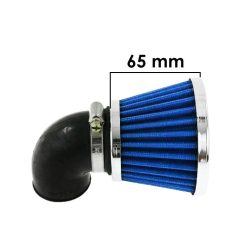
Net price: 15 €
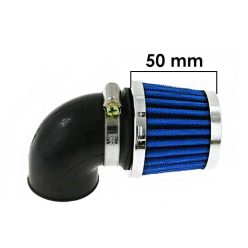
Net price: 14 €
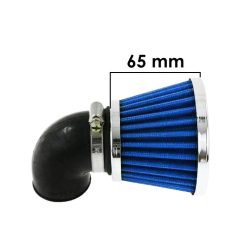
Net price: 15 €
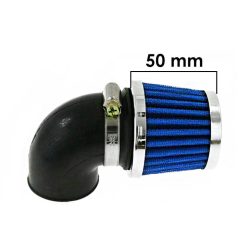
Net price: 14 €
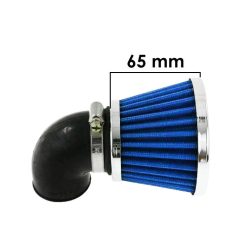
Net price: 15 €

Net price: 14 €

Net price: 15 €

Net price: 14 €
90 Degree Motorcycle Air Filters Technical Role and Selection Guide
An elbow-style pod filter is a practical answer when a straight motorcycle air filter would project too far from the carburettor or intake stub. In this layout, good fitment is not only about getting the neck onto the spigot; you also need stable clamp seating, sensible body clearance and enough room for vibration and normal engine movement.
Technical background and system integration
Tight packaging is the main reason to use a 90 degree layout. It can redirect the filter body away from side panels, frame rails, rider contact points or under-seat components where a straight filter would be awkward to package cleanly.
Flexible connection matters because the rubber neck and clamp have to tolerate vibration, small thermal movement and normal engine motion without putting unnecessary stress into the filter body. That is why neck size, overall length and final orientation all matter together.
- Neck size: the inside diameter must match the outside diameter of the inlet spigot accurately.
- Body shape: filter diameter and body length influence how much space remains to nearby parts.
- Orientation: a 90 degree design still needs the correct final direction once fitted on the bike.
How to choose the right one
Quick selection guide: first measure the outside diameter of the intake spigot in mm, then check the available side clearance and downward space for the full filter body. This quickly removes options that may fit the neck but still clash with surrounding parts.
Neck fitment should be judged from the actual spigot rather than a guessed nominal size. A loose fit can overload the clamp, while a very tight fit can twist the neck during installation and make square seating harder to achieve.
Outer clearance should be checked with the bike’s real packaging in mind, including bodywork, rider leg area and nearby hoses or cables. If a 90 degree body still sits too close to the side panel or rider’s leg, compare the wider motorcycle air filter range against 45 degree and straight layouts before deciding.
Installation and failure-prevention tips
Clean seating is the starting point for reliable fitment. Before installation, clean the inlet spigot, inspect the seating edge and only fit the filter onto a surface that is free from burrs, cracks or old residue under the rubber neck.
Clamp position should support the neck evenly without dragging the filter sideways as it tightens. Once fitted, check by hand that the filter does not sit skewed, does not preload itself against a nearby component and still leaves tool access for future inspection.
Typical failure happens when the filter is only partly seated on the spigot or the clamp loads the edge of the rubber neck; early signs can include a crooked angle, a dust trace near the neck or a rub mark on the filter body. Prevention is simple: seat the neck fully, tighten the clamp evenly and re-check the position after the first short use cycle.
Re-inspection is worthwhile after initial running because vibration and heat will quickly show whether the body has enough surrounding room. Check for contact marks, any change in angle and whether the clamp has remained in its original position.
PRO TIP: when space is very limited, make a quick side-view sketch of the free area around the intake before ordering, because the correct neck diameter alone does not confirm that the full filter body will package neatly.
FAQ
How is a 90 degree air filter different from a straight one?
The main difference is packaging direction and resulting clearance. A 90 degree filter is useful when the filter body needs to turn sideways because there is not enough straight-line room on the bike.
How do I know the size is correct?
Measure the outside diameter of the inlet spigot accurately and compare it with the neck size shown on the product card. Then confirm body length and outer diameter as well, because proper fitment depends on all of those dimensions together.
What is the most common failure or installation mistake?
Work through a short inspection order: confirm the seating edge is clean, check that the neck is fully home, verify the clamp sits straight, make sure there is clearance to nearby parts and gently try to rotate the filter by hand. If any of those checks feels uncertain, correct the fitment before riding.
What should I inspect after the first ride?
Look for contact marks on the filter body, a dust trace around the rubber neck and any change in clamp position. This quick check helps catch small movement before it becomes a bigger fitment problem.
Is this type better for road bikes or modified builds?
It can work for both, provided the size and available room are right. Modified builds often benefit from the sideways turn more easily, while on road bikes the nearby bodywork and rider area make clearance checks especially important.
When should I clean or replace the filter?
That depends on mileage, riding conditions and the specific filter material. In dusty use, frequent riding or at the start of a new season, inspect the filter more often and follow the care method shown on the individual product card.
