
90° AN Elbow Fittings are AN 37° flare elbow fittings that let you turn a line by 90° when space is tight and you want clean routing in fuel and oil systems.
When choosing, confirm the end style (AN flare, NPT, sometimes O-ring ports) and use filters/sorting to narrow by size and design. Open the product page to verify thread and sealing details, then order the 90° elbow that matches your setup.
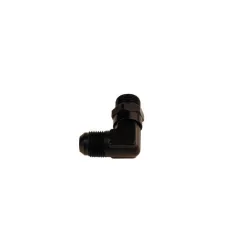
Net price: 72 €
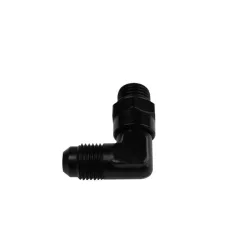
Net price: 37 €
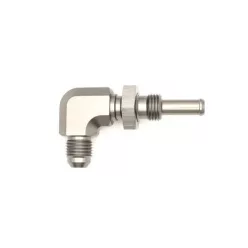
Net price: 18 €
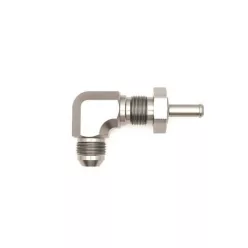
Net price: 19 €
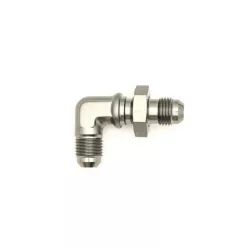
Net price: 17 €

Net price: 7 €

Net price: 6 €

Net price: 6 €
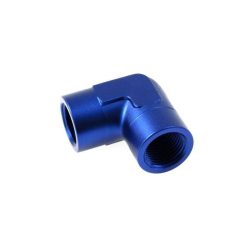
Net price: 7 €
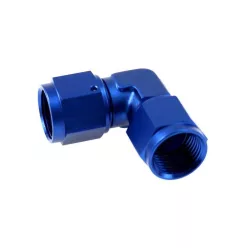
Net price: 15 €
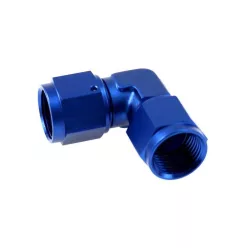
Net price: 17 €
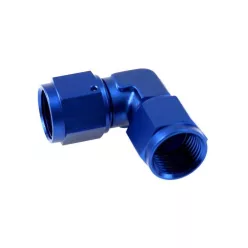
90° AN Elbow Fittings – tight-space routing, reliable sealing, service-friendly joints
90° AN Elbow Fittings are used when you need a sharp direction change without forcing the hose into an unhealthy bend or creating constant strain at the joint. With a 37° AN flare seal, the connection is repeatable and practical for service work when the correct parts are matched. Common applications include fuel supply/return, oil circuits, oil coolers, and threaded take-offs where you need an adapter rather than a straight hose run.
Within this type of category you may see several designs: classic elbow fitting hose ends, threaded adaptors (for example NPT) to mate with ports, and pass-through options in an bulkhead-style layout. The exact end types and sealing method always depend on the specific product, so selection should start from the port standard and the available packaging space.
Technical Basics
AN 37° fittings seal on the flare cone, not on the thread, so surface condition and standard compatibility matter most. Dash sizing (such as AN-6 or AN-8) is tied to nominal hose ID, which affects flow and pressure drop. Swivel-style ends can make assembly easier because they reduce hose twist during tightening.
NPT is a tapered thread that often seals through thread interference, which is why sealant is common—only where the manufacturer specifies it. On O-ring style ports (often described as ORB), the O-ring does the sealing, so extra torque is not a cure and can damage the sealing faces. Before buying, verify the port’s thread form and sealing principle to avoid mismatched parts.
Warning: 37° AN/JIC flare and 45° SAE flare systems are not interchangeable even if they seem to screw together. Mixing them can score the cones and create persistent leaks. For critical fuel and oil plumbing, stick to correctly matched fittings and check the mating surfaces.
Selection Criteria
Start with the hose: choose the dash size based on hose ID and required flow, because undersizing can restrict and oversizing increases bulk and can complicate routing. A 90° elbow is helpful when the installation can’t accommodate a long sweep, but it must still allow the hose to sit naturally without pre-load. Fewer connections generally mean fewer potential leak points in a plumbing chain.
Match the port and thread: confirm whether the component side is AN flare, NPT, or an O-ring sealed port, then select the correct threaded adaptor. Sensor blocks and distribution pieces frequently need adaptors, while the hose side is often AN with a nut-style coupling. If you need to pass through a panel or tank wall, a bulkhead solution can be tidy, but wall thickness and mounting access should be checked first.
Material and environment: check the product page for the stated material and finish, and ensure it suits heat, vibration, and the fluid you plan to run. Near turbo heat sources, proper hose support and abrasion protection can be as important as the elbow itself. If you plan for E85 or aggressive fluids, treat compatibility as specification-led rather than assumed.
Installation & Maintenance
Preparation: clean the threads and the flare cone before assembly, because small debris can create a leak path. On AN flare joints, a light film of oil can help reduce galling and make tightening smoother. On NPT ends, keep sealant out of the flow path and use only what is recommended for the application.
Tightening and orientation: set the 90° elbow so the hose runs with a relaxed bend and does not pull against the fitting. Over-tightening can deform flare faces, so use controlled torque with proper spanners and recheck alignment after tightening. If the fitting is swivel-type, align first and final-tighten last to avoid twisting the hose.
Inspection: after the first heat cycle, check for any weeping and trace the first wet point rather than tightening everything harder. If the flare surfaces show scoring, replacing the damaged part is usually the correct fix. Regular checks help prevent a minor seep becoming a larger leak in fuel or oil lines.
FAQ
Why does an AN fitting seal on the flare and not on the thread?
AN uses a 37° flare cone for sealing, while the thread provides clamping force. This makes the joint service-friendly and repeatable when properly matched. If it leaks, it’s often a damaged cone or mismatched standard, not simply “not tight enough”.
When should I use a 90° elbow instead of a 45°?
A 90° elbow is best when packaging demands a sharp turn and a gentle sweep won’t fit. If the hose would be forced into strain, a 45° plus better routing/support may last longer. Always mock up the hose path and respect minimum bend radius.
Should I use PTFE tape on AN flare fittings?
Usually not on AN flare joints, because the seal is at the cone, not the threads. On NPT ends, tape or sealant is commonly used when specified, because the thread contributes to the seal. On O-ring ports, focus on the O-ring condition and seating surface instead.
Are AN and JIC interchangeable?
Both belong to the 37° flare family, so some combinations may assemble. For fuel and oil systems, it’s safer to keep standards consistent and verify thread and sealing faces before mixing fittings. When in doubt, follow the component and fitting specifications.
How do I tell if my port is NPT or an O-ring style port?
NPT is tapered and tends to tighten progressively, while O-ring style ports have a visible sealing element and a defined sealing face. Check the component documentation, measure the thread, and confirm whether an O-ring seat is present. This prevents choosing the wrong adaptor and chasing leaks later.
Filter by end style and size, verify the port standard, and order the right 90° AN elbow fitting for your build.
