
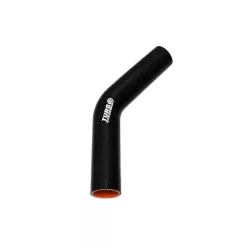
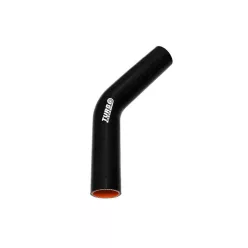
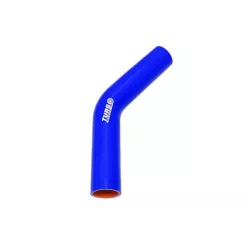
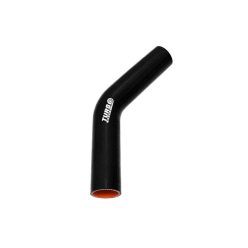
A 45-degree silicone elbow coupler XL (HU: 45°-os szilikon könyök idom XL; also called an elbow hose) routes a gentle bend between two pipe ends, often with longer straight legs for easier clamp seating. It’s widely used in turbo/intercooler charge-air, coolant and air runs to help joints cope with vibration and thermal movement.
Select by ID, XL leg length and version-specific build (reinforcement/lining depends on model). Verify exact dimensions and specifications on the product card; in-stock items dispatch fast within the EU.
Use filters to narrow sizes and geometry, then confirm exact specs on the product card before ordering.
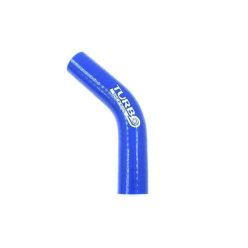
Net price: 6 €
Net price: 12 €
Net price: 14 €
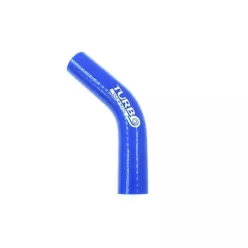
Net price: 14 €
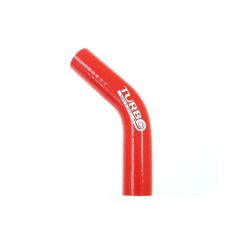
Net price: 14 €
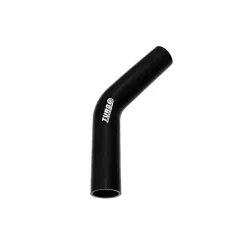
Net price: 16 €
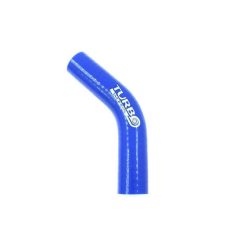
Net price: 16 €
Net price: 21 €
Net price: 27 €
Net price: 7 €
Net price: 7 €
Net price: 18 €
45 Degree Silicone Elbow Couplers XL – Gentle Turns with Longer Legs
A 45-degree silicone elbow hose XL (45-degree silicone elbow coupler XL; HU: szilikon könyök idom XL) helps route a smoother direction change while giving you more straight-leg length for clamp seating and alignment. In tight bays, that extra straight section can make it easier to keep the joint neutral instead of forcing twist or side-load into the coupler.
Technical background and system integration
Silicone elbows are commonly textile-reinforced; exact wall thickness, ply build and any internal lining depend on the specific version. Stable sealing depends on pipe-end design (e.g., beaded ends), leg length (clamp seating zone), and even clamp loading across heat cycles. For oily charge-air routing, some variants use a lining (e.g., fluoro-lined options); for coolant circuits, clean mating surfaces and accessible clamping matter most.
- ID sizing: match elbow ID to pipe OD and clamp range.
- XL legs: helps keep clamps on straight sealing bands, away from the bend.
- Bend radius: verify the elbow won’t be forced into twist once installed.
- Clamps: worm-drive, T-bolt or constant-tension options may suit different packaging; stainless can help in wet areas.
How to choose the right one
As a LEAF category, start with measurements: note your pipe outside diameter, then select the matching elbow ID (common inch sizes with mm useful for precision). Confirm the XL leg length gives enough room for clamp hardware and tool access, and that the 45° orientation matches your routing without forcing side-load. If you’re comparing other angles or reducer shapes, the Silicone Elbows and Reducers parent category helps you compare options quickly.
- Fitment logic: OD measurement → elbow ID → clamp range confirmation.
- Packaging: leave clearance for clamp bolts/screws and re-check access.
- Pipe-end prep: deburr and inspect; beaded ends can improve retention depending on duty.
- Medium: charge-air/intake vs coolant vs vacuum; choose lining/compound options as relevant.
Installation and failure-prevention tips
Dry-fit the pipework so the elbow sits neutral, then place clamps centrally on the straight legs for even pressure. degrease using a manufacturer-recommended cleaner, then allow to dry completely before applying load/boost. For consistent sizing across multiple silicone parts, it can help to review Silicone Elbows and Reducers as a single reference.
Failure mode: installing the elbow under twist and clamping too close to the bend can cause light weeping, oily residue in charge-air runs, or a faint hiss under load; prevent it by setting neutral alignment first, ensuring enough straight leg for clamp seating, and re-checking clamp position after initial heat cycles.
PRO TIP: With XL legs, mark clamp positions during the dry-fit—this helps keep clamps on the straight sealing band after final alignment.
FAQ
What makes the XL version different?
Typically longer straight legs and/or geometry that can make clamp seating and alignment easier; confirm exact dimensions on the product card.
What’s the most common installation mistake?
Twisting the elbow into position or clamping outside the straight sealing band; see the Installation section for prevention steps.
45° vs 90° elbow: which should I choose?
A 45° elbow often supports smoother routing, while a 90° elbow delivers a bigger turn in less space.
How do I size it correctly?
Measure pipe OD, select the matching elbow ID, and confirm leg length so clamps sit fully on the sealing band; check exact specs on the product card.
Quick diagnostic checklist
Correct ID, enough leg length, clamp range, deburred pipe ends, neutral alignment, and sufficient clearance and tool access.
