
A 45 degree silicone elbow coupler (45°-os szilikon könyök idom) is a flexible hose connector that joins two pipes with a gentle 45° change of direction for intake, intercooler/boost or coolant routing, helping accommodate engine movement and thermal expansion.
Choose by inner diameter (mm/inch), leg length, wall thickness and reinforcement so the fit matches your pipe ends and clamp style. Verify exact dimensions and specifications on the product card; in-stock items dispatch fast within the EU.
Use filters to narrow by size and compatibility, then open a product card to confirm the details before adding the right clamps.

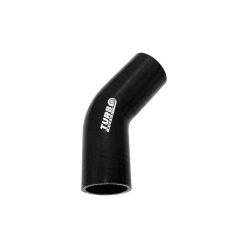
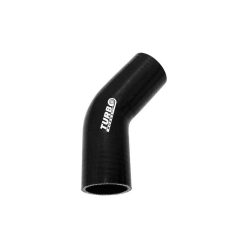

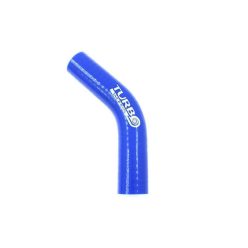
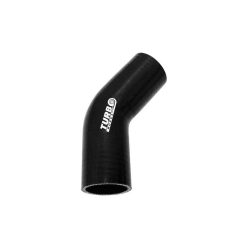
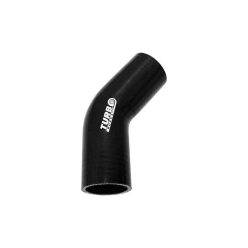
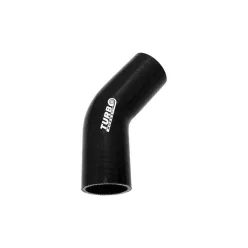
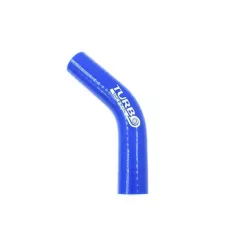
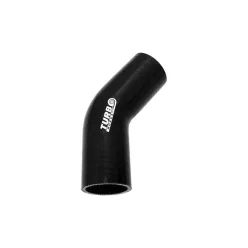
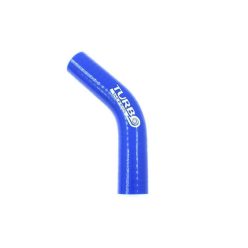
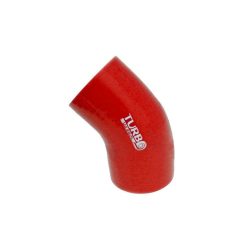
45 Degree Silicone Elbow Couplers – Purpose and fitment basics
A 45° silicone elbow connector (45 degree silicone elbow coupler) is a practical way to redirect pipework without forcing hard pipes into alignment. In turbo intake/charge-air or coolant layouts, a compliant elbow can reduce stress from vibration, thermal movement and slight misalignment, which helps protect pipe ends and sealing surfaces over time.
Technical background and system integration
Compared with sharper bends, a 45° elbow is typically used for small direction corrections and smoother packaging in tight bays. Depending on design, elbows may use different layer constructions and reinforcements to improve shape retention and clamp load distribution; the exact build varies by product. Good routing also means avoiding constant twist or side-load on the elbow, because that can concentrate clamp pressure and distort the sealing line.
- Key dimensions: inner diameter (ID), leg length, bend radius and wall thickness work together to define clearance and sealing area.
- Pipe ends: beaded/rolled ends often help resist movement under load; clamp placement behind the bead is a common approach.
- Common applications: intercooler piping, turbo inlet/charge pipes, vacuum/PCV connections (where suitable), and selected coolant joints—always confirm the product card for medium suitability.
How to choose the right one
Start by measuring your hard pipe outside diameter and matching it to the elbow inner diameter in the listing (inch sizes are common, with mm equivalents useful). An overly tight fit can increase the chance of installation damage, while a loose fit makes the clamp do excessive work and may encourage creep. Also check that the leg length leaves enough straight engagement for the clamp and that the elbow sits naturally without twist once the pipes are aligned.
- Size logic: match ID to your pipe OD; if you need a diameter change, a reducer-style elbow is usually the better route than forcing mismatched parts.
- Clearance: confirm space to nearby fans, heat shields and bodywork so the elbow is not rubbing or being pushed sideways.
- Clamps: choose a clamp type and diameter range that suits your setup; avoid sharp-edged bands that can mark silicone.
- Use the product card: confirm ID, leg length and any reinforcement notes before committing.
If you also need different bend angles or reducer options, check the broader Silicone Elbows and Reducers parent category for alternative geometries.
Installation and failure-prevention tips
Dry-fit first to confirm alignment: the elbow should not be installed in torsion, and both legs should seat evenly on the pipe ends. Where possible, use beaded pipe ends and place the clamp just behind the bead to help resist movement under load. Avoid oily residues and do not rely on petroleum-based sprays on silicone, as they can reduce friction and compromise retention.
degrease using a manufacturer-recommended cleaner, then allow to dry completely before applying load/boost
PRO TIP: After the first heat cycle, re-check clamp position and tension (without over-tightening) because the joint can settle slightly once it has warmed up and cooled down.
FAQ
What is the most common failure or installation mistake?
Most issues come from clamping onto an un-degreased, beadless pipe end or from a clamp that is poorly positioned, allowing the elbow to creep or pop off under load; typical signs are an oily ring at the joint, a faint whistle, or unstable boost/air leaks. Prevent it by keeping the joint clean and dry, using beaded ends where possible, positioning the clamp behind the bead, and setting the elbow so it runs without twist or side-load.
When should I pick a 45° elbow instead of a 90°?
A 45° elbow is suited to small direction changes and gradual routing where you want to avoid forcing the pipework. If you need a full turn or a tight corner, a 90° elbow is usually the more straightforward choice.
How do I confirm the size quickly (mm/inch)?
Check:
1) pipe OD vs elbow ID,
2) enough straight leg length for the clamp,
3) no bunching or gaps near the pipe end,
4) the elbow sits aligned with no twist once installed.
Which clamp type works best?
Worm-drive clamps are common for many road setups, while T-bolt or constant-tension styles are often chosen when loads and heat cycling are higher. The important part is correct diameter range, smooth band edges, and proper positioning relative to the pipe bead.
Can I use these on vacuum/PCV or coolant joints?
Often yes, but always follow the product card notes for medium compatibility and construction details, especially where oil vapour or elevated heat is expected. Periodic visual checks help catch early signs of movement or seepage.
