
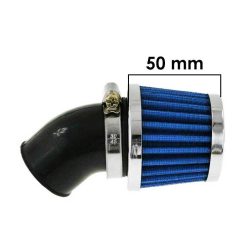
A 45 degree motorcycle air filter (angled pod filter) is a bent-neck intake filter that can help with tighter packaging, cleaner routing and compact installation where a straight filter would be harder to position. It suits builds that need the filter body turned away from surrounding parts rather than pointing straight out.
Choose by neck diameter, outer body size and final installation angle rather than by bike model alone. On the product card, check the clamp-on neck, available clearance and whether the filter will stay clear of the frame, bodywork or wiring loom. Verify exact dimensions and specifications on the product card; in-stock items dispatch fast within the EU.
As a preventive step, check clearance with full steering lock and normal suspension movement before final tightening, which helps maintain stable seating and an unobstructed airflow path.

Net price: 15 €

Net price: 14 €

Net price: 15 €
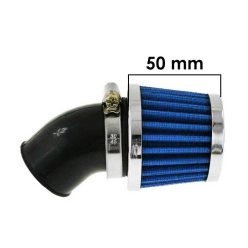
Net price: 14 €
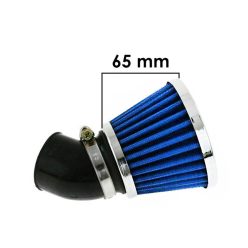
Net price: 15 €
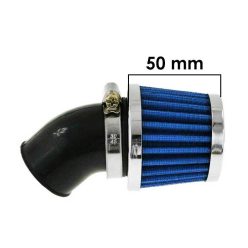
Net price: 14 €
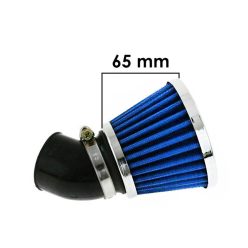
Net price: 15 €
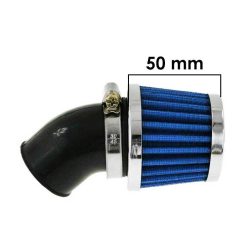
Net price: 14 €
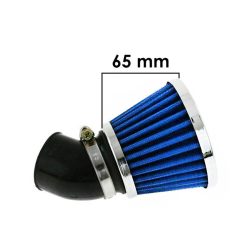
Net price: 15 €
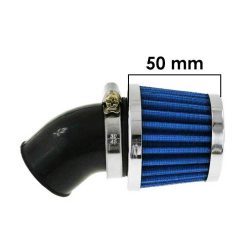
Net price: 14 €
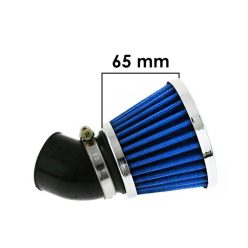
Net price: 15 €
Net price: 14 €
45 Degree Motorcycle Air Filters for Tight Packaging and Directed Fitment
A motorcycle filter with a 45 degree neck is useful when the intake needs to be turned away from the frame, body panel, battery area or another nearby component. The right choice depends on neck size, body shape and real installation space together, not simply on the bike model listed in a catalogue.
Technical background and packaging logic
45 degree neck: the angled layout is helpful because it can redirect the filter body into a freer part of the bike, which may make packaging easier where a straight filter would project too far or sit in the wrong direction.
Rubber flange: a clamp-on neck works best when the filter’s inner size matches the outer diameter of the intake spigot correctly. If the fit is too loose, the filter may move over time; if it is too tight, the neck can twist during installation.
Clearance path: do not only check the filter’s maximum diameter. The final path of the filter body after the 45 degree turn also matters, especially near fairings, frame tubes, wiring or the underside of the tank.
- Connection size: always compare the stated neck size in mm with the actual outer diameter of the intake spigot.
- Angle choice: a 45 degree design is often the practical middle ground when straight and 90 degree layouts both create packaging compromises.
- Body shape: the filter’s outer profile and length influence how much free space remains around nearby components.
How to choose the right one
Quick selection guide: for this category, the key points are neck diameter, available space and the direction in which you need the filter to turn. If you want to compare the wider range first, start from Motorcycle Air Filters and then narrow the choice by shape and fitment.
Neck diameter: match the product-card connection size to the real outer diameter of the carburettor, intake stub or throttle body. Even a small difference in size can affect how evenly the clamp loads the flange.
Free space: check where the filter head will sit once rotated into position, then confirm that the frame, fairings, tank area and wiring still leave enough room after the bike is fully reassembled.
- Carb setups: make sure there is enough access to position and tighten the clamp correctly after the filter is seated.
- Faired bikes: always verify clearance again with body panels refitted, not just with the bike stripped down.
Installation and failure-prevention tips
Clean spigot: wipe the mounting surface before fitting, inspect the edge and check for burrs, cracks or marks left by an older clamp. A clean and even surface makes it easier for the rubber flange to seat properly.
Clamp position: rotate the clamp so it stays accessible later but does not touch vibrating or heat-exposed parts. Hold the filter in its final running position while tightening so the neck is less likely to shift or preload.
If you are still comparing shapes, it is worth stepping back to the main category and reviewing straight and 90 degree options as well, especially when space is limited in more than one direction.
The most common issue in this category is that the neck size seems correct on paper, yet the filter body ends up too close to the frame, fairing or wiring once installed on the bike. The best prevention is to check the full installation path, both steering-lock positions and the final clamp orientation before the setup goes into regular use.
PRO TIP: When measuring, write down not only the spigot diameter but also the direction in which there is genuinely open space, because the correct angle matters almost as much as the correct mm size.
FAQ
How is a 45 degree air filter different from a straight or 90 degree version?
The main difference is the way the filter body is positioned relative to the intake. A 45 degree version is often the in-between solution when a straight filter projects too far and a 90 degree version turns too sharply for the available space.
What is the most common installation mistake?
First confirm the actual outer diameter of the intake spigot, then check that the filter is fully seated to the correct depth. After that, turn the bars to both steering stops, refit any bodywork that affects clearance and make sure the clamp remains accessible and stable.
How do I know the size is correct?
The correct size comes from matching the filter neck’s stated inner size to the real outer diameter of the intake connection on the bike. Compare the product-card data with your own measurement rather than relying on model assumptions alone.
What should I inspect after the first short run?
Check that the filter has not rotated, the clamp has not relaxed and the filter body is not leaving contact marks on nearby parts. If needed, adjust the angle before the bike goes into normal use.
When should I choose another shape instead?
If a 45 degree layout still leaves too little room, or turns the filter into an awkward direction, a straight or 90 degree design may fit the bike’s real packaging better.
Choose by actual neck size, available space and intended filter direction, then confirm the fitment details on the product card before adding the correct filter to your basket.
